Humidity and Condensation Mold in Wayne, MI
Mold removed from windows, walls and closet surfaces in your Wayne property, with condensation sources traced before cleanup. Call 24/7 to start your assessment and removal.
- Moisture source checked first
- Containment and HEPA cleaning
- Windows and walls assessed
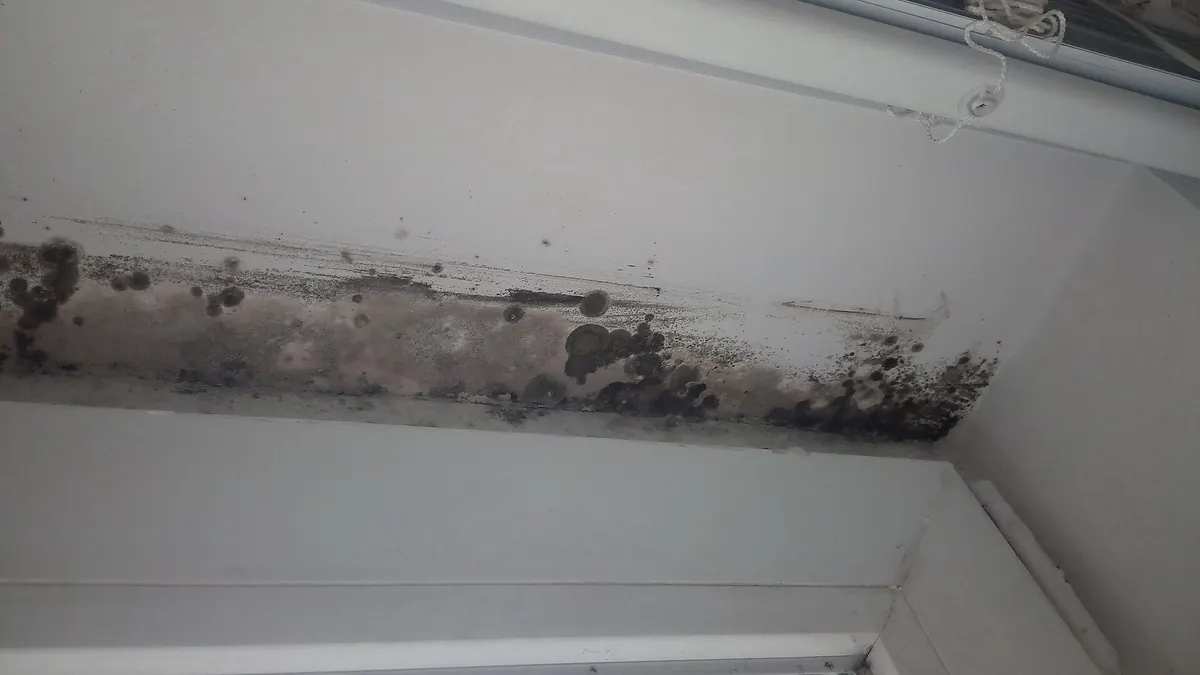
Humidity and Condensation Mold Removal Services in Wayne
Cleanup includes your damp closets, cold exterior walls, windows and nearby drywall. The affected material is either cleaned or taken out. Moisture causes are checked before replacement finishes go in.
Moist air condenses on cold surfaces that are no warmer than the dew point. During your assessment, this moisture is distinguished from leaks at windows or trouble with air conditioner drains.
High humidity, poor ventilation and limited air circulation can leave corners damp. Your written scope of work defines removal, structural drying and separate window, insulation or exhaust fan repairs.
- Window sill and frame cleaning
- Cold wall and closet assessment
- Contained drywall removal
- Dehumidification and material drying
- Moisture control and final checks
Humidity Mold Cleanup Warning Signs in Wayne
Wiping alone is insufficient when your finishes stay damp, condensation persists and growth returns.
Condensation Mold Beside Cold Surfaces
Growth follows wet window edges, cold wall corners or cooling registers.
Swollen Trim and Peeling Paint
Moisture collecting near your window leaves a soft surround or bubbles in the wall finish.
Mold on Windows Keeps Returning
After you clean, dark spotting returns along your frames or window sills.
Damp Closet Corners
Behind your stored items along an exterior wall, you notice spotted backing or a musty smell.
Humidity Lingers After Showers
Your mirrors and walls stay wet, with visible mold growth near the ceiling or exhaust fan.
Humidity Mold Removal in Wayne: From Assessment to Cleanup
Your assessment comes first, followed by cleanup within containment and closing checks.
Humidity and Material Assessment
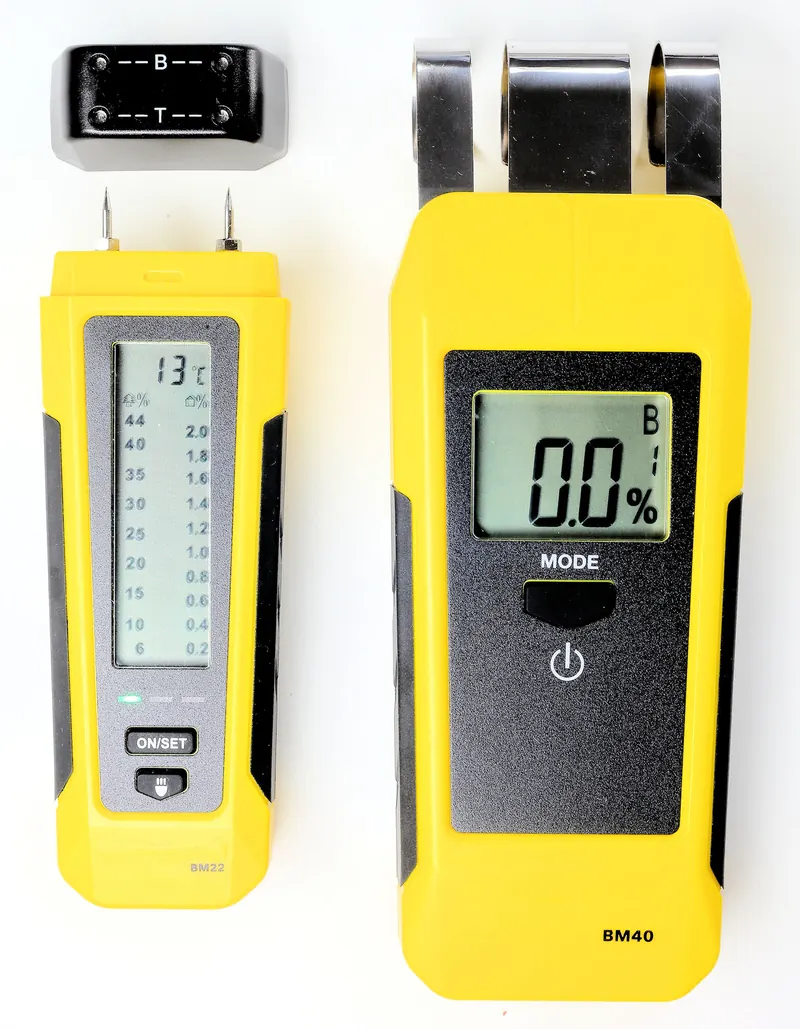
A hygrometer measures relative humidity, while a moisture meter supports moisture mapping of damp materials. A thermal imaging camera can locate temperature patterns, but mold identification is beyond the camera.
Humidity Source and Work Scope
Checks cover leaks, ventilation and condensation. Before removal starts, moisture corrections are specified along with separate leak repair.
Containment and Filtration
A containment barrier made with poly sheeting is installed where necessary. A HEPA air scrubber, protective equipment and negative air pressure help limit spreading particles.
Damaged Material Removal
Bagging inside containment covers drywall and insulation beyond salvage, plus swollen composite trim. Removal exposes affected backing and cavities for cleaning.
Frame and Wall Cleaning
Suitable cleaning of sound framing and non-porous surfaces includes damp wiping and cleaning with a HEPA vacuum. You must remove growth rather than rely on antimicrobial treatment alone.
Controlled Drying Process
Cleaned materials lose moisture with help from suitable drying equipment and a dehumidifier. Moisture readings follow drying progress while the specified condensation corrections reach completion.
Verification Before Reopening
Containment stays in place until cleaning and drying have been checked. When clearance testing is specified, an independent assessor completes post-remediation verification before replacement finishes close the area.
Humidity and Condensation Mold Removal: Why Choose Detroit Mold Removal Services
Contained Humidity Cleanup
Your affected area and removal tasks determine the containment and HEPA filtration used.
Calls Answered 24/7
Across Greater Detroit, one number begins your wall, closet or window assessment, even on nights and weekends.
Clear Scope Before Work
Before work begins, your scope sets out drying, removal and moisture repairs as separate work.
Humidity Source First
Your assessment traces condensation, ventilation problems and leaks before cleaning begins.
Removal Through Final Checks
Damaged material comes out and sound surfaces receive cleaning, with final checks ahead of containment removal.
Before Humidity Mold Cleanup in Wayne County
Do not disturb moldy surfaces as you arrange an assessment.
- Keep people clear. Do not let your children or pets near affected materials.
- Leave finishes in place. Leave moldy walls unopened, without sanding or dry-brushing.
- Avoid spreading particles. Do not aim fans at growth or run suspected contaminated HVAC equipment.
- Leave mold uncovered. Before you paint or caulk over a growth-affected area, finish cleaning and drying.
- Limit fresh water damage. To prevent mold growth, EPA recommends that you dry water-damaged items and areas within 24 to 48 hours.
Humidity Mold Removal Cost for Your Wayne, MI Home
The affected area, repair needs and access set your price. These national figures cover general mold remediation plus separate crawl space equipment. Window work and dehumidifiers for rooms fall outside those ranges.
Typical National Mold Remediation Range
$1,500 to $9,000 per jobSource: Fixr, Mold Remediation Cost (checked 2026-10-23)Areas Over About 10 Square Feet: Professional Mold Remediation
$10 to $30 per square footSource: Fixr, Mold Remediation Cost (checked 2026-10-23)Dehumidifier Installation as Part of Crawl Space Encapsulation
$800 to $2,000 per installSource: This Old House, Crawl Space Encapsulation Cost (checked 2026-10-23)Factors Affecting Your Humidity Cleanup Cost
- Separate moisture repairs
- Structural drying needs
- Affected square feet
- Containment requirements
- Drywall removal and disposal
- Access behind finishes
Your Condensation Cleanup Price
These published national ranges are planning figures. Your on-site assessment defines the work and price before cleanup starts, including any separate source repairs or rebuilding.
Call (844) 352-3560 about costHumidity and Condensation Mold Service Area Across Greater Detroit
Call (844) 352-3560 to arrange cleanup in Wayne or nearby communities. One number covers the metro.
Humidity and Condensation Mold in Locations Near Wayne
ZIP codes
What People Ask About Humidity and Condensation Mold in Wayne
Are problems with ventilation and condensation also corrected?
The moisture source is assessed and necessary corrections are defined as part of planning your cleanup. Only listed scope items are included, whether exhaust repairs, changes to insulation or work on windows. Although dehumidification aids drying, existing growth on your surfaces and leak repairs require more than dehumidification.
Can you remain at home during removal of condensation mold?
If occupied rooms are separated from containment and debris transport routes, you may be able to remain home. Access limits depend on your household needs, room arrangement and shared ventilation. Work affecting several bedrooms or essential spaces may require temporary relocation. These arrangements are agreed ahead of starting removal and cleaning.
After cleaning, could mold from condensation reappear?
If moisture issues persist, mold can grow again. Assessment during your cleanup covers cold surfaces, ventilation and indoor humidity; necessary corrections are planned alongside removal. Affected materials are cleaned and dried before finishes close them in. Maintaining humidity control helps you prevent a repeat of the damp conditions.
Is air sampling necessary either before removal or after the work?
EPA says sampling is usually unnecessary when mold is visible. Moisture checks together with your inspection determine the likely source and affected area. Removal is followed by checks of cleaning and drying. If clearance testing is called for, an independent assessor undertakes the testing. Indoor levels of mold have no federal limit.
Do your windows or walls have to come out?
Sound glass and vinyl, plus accessible wood, often allow cleaning instead of replacing your entire window. Moldy drywall, damaged insulation or deteriorated trim may need removal. Checks during your assessment cover possible water entry and the materials around the area. Your scope must include window replacement for that work to count as part of cleanup rather than separate repairs.
How long does humidity mold cleanup take in Wayne?
Assessment of the moisture source and affected surfaces comes before setting your schedule. Work differs between cleaning accessible window frames and opening damp walls or taking insulation out. Material readings guide drying. Your return to normal room use also depends on final checks, window repairs and ventilation corrections.
What is your humidity mold cleanup cost in Wayne County?
Your cost reflects drying, material removal, affected square footage and access to areas behind finishes. Published ranges appear in the cost cards alongside units and source names. A room dehumidifier is not priced by the figure shown for crawl space equipment. Before work starts, your assessment establishes cleanup cost and identifies any separate repairs.
Understanding Insurance and Humidity Mold Cleanup in Michigan
Homeowners insurance coverage depends on the moisture cause, policy exclusions, mold coverage limits and deductible. Recurring condensation and a sudden and accidental water event may receive different coverage decisions.
Humidity Mold Precautions for Greater Detroit
When your affected surfaces are disturbed, containment limits spreading particles alongside HEPA filtration.
Sensitive Occupants
For some people, mold may trigger symptoms of asthma and allergies, CDC notes.
Mold Color
According to CDC, you cannot judge the risk of mold by color.
Humidity Cleanup Dust
Routes for taking out disturbed mold spores and debris need controls.
Hidden Humidity Damage
Room air alone cannot confirm dry conditions behind drywall or within insulation.
Cleanup scope: EPA says you can often clean an area yourself if it is under about 10 square feet. Larger areas, HVAC systems or mold from sewage or contaminated water call for professional help.
Cleanup of Humidity-Damaged Materials in Wayne County
Material condition and access determine what is cleaned and what needs removal.
Glass and frames
- Glass, sound vinyl and metal receive cleaning and drying wherever accessible.
Wood and trim
- Wood in sound condition is cleanable, but deteriorated wood and swollen composite trim require assessment for replacement.
Porous materials
- You may need to remove affected carpet plus drywall, ceiling tiles and insulation with mold.
Time Needed for Humidity Cleanup in Wayne County
Your schedule reflects access needs, condensation corrections and drying.
- Access: Window surrounds or wall cavities that must be opened add work for removal and cleaning.
- Drying: Material readings determine readiness for rebuilding; room humidity alone is insufficient.
- Repairs: Your window, insulation or ventilation fixes may involve a different trade on another visit.
Understanding Musty Odors With Humidity in Wayne County
Smell cannot identify the source on its own. Musty odor checks include your closets, windows and damp cavities.
A dehumidifier cannot clear mold already present, and fragrance cannot resolve dampness. Your cleanup tackles moisture while removing the affected material.
Your Michigan Humidity Control and Work Requirements
Humidity Cleanup Requirements
The Michigan Department of Health and Human Services says the State of Michigan does not offer certification for mold remediators or mold testing companies. If you are hiring someone, ask about their training and experience, and check your local contractor rules.
EPA Humidity Targets
EPA recommends indoor humidity below 60 percent, ideally 30 to 50 percent humidity.
Cold Surface Conditions
Meeting a room humidity target cannot confirm dry conditions at every wall or window.
State Mold Information
The Michigan Department of Health and Human Services (MDHHS) publishes mold fact sheets and takes questions at 800-648-6942. It says it cannot test your home for mold and does not recommend mold testing.
State guidance: MDHHS: All About Mold
Related Services and Next Steps
Start Your Humidity and Condensation Mold in Wayne
Call 24/7 to arrange your assessment. Your cleanup starts with the affected surfaces, moisture source and access to your home.